
DevAIOHub: All-in-One Developer Empowerment
Built on CMMI Level 3 processes, delivering top tools for planning to closure across development, DevOps, and marketing.
Featured Tools
More Featured Tools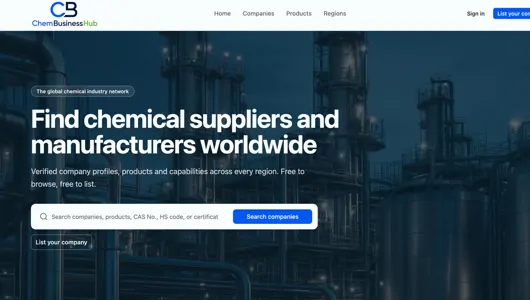
ChemBusinessHub provides is a global network for chemical suppliers, manufacturerss,, and exporters.

Find and download various Excel templates for finance, HR, sales dashboards. Includes sales price
KeywordRisk checks potential risks in keywords related to chemicals, goods, and content, offering reference-based results.
A cloud-based tool, MDocs, simplifies creation of professional Japanese business documents like quotations and invoices with automatic calculations and consistent templates. Free trial available.
A free online tool for drawing, editing, and recognizing chemical structures and reactions, supporting multiple file formats and export options.
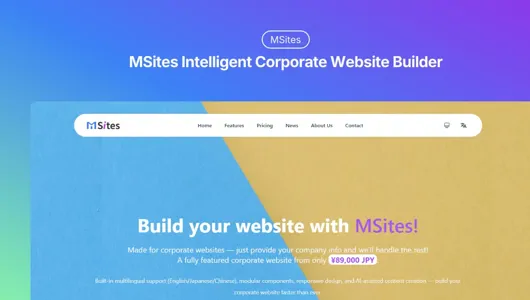
MSites是为企业打造的网站构建系统,提供多语言、SEO优化等功能,89,000円起。
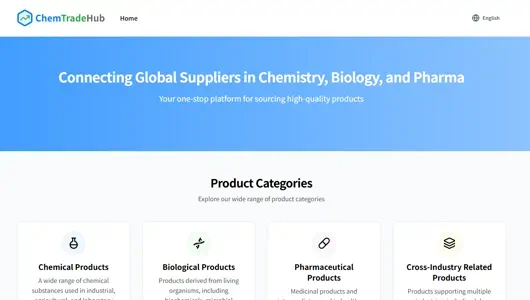
A platform connecting global suppliers in chemistry, biology, and pharma with a wide range of products across multiple categories and recommended suppliers from China.

A DaaS boilerplate with everything needed to launch quickly, including auth, admin panel, payments, and more; available in two pricing tiers with support and a private community.
Lucky Picks
All Tools
An open-source configuration management tool automating server and app configurations.
 Azure Monitor
Microsoft's commercial monitoring service integrated with Azure cloud resources.
An open-source reporting library embedded in Java applications.
 Jenkins
An open-source CI/CD tool automating build, test, and deployment processes.

A commercial requirements management tool for tracking software needs.
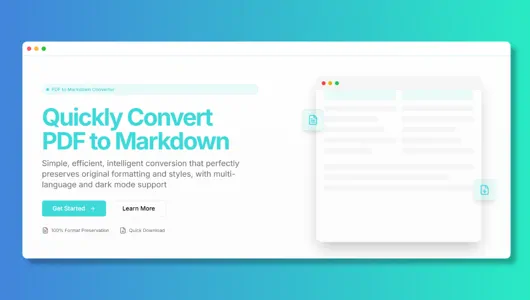
A tool for converting PDF to Markdown with 100% format preservation, multi-language support, and advanced OCR technology. Highly rated for efficiency.
A commercial (with free tier) code hosting platform based on Git, offering collaboration and CI/CD.
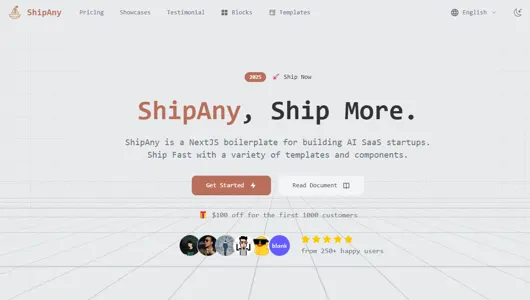
ShipAny is a NextJS boilerplate for AI SaaS startups, offering templates, infra setup, and quick deployment; get your project up in hours with easy customization and support.
An open-source relational database widely used in web applications.
Get free, easy-to-use customer support software with features to streamline support, improve customer experience, and handle inquiries efficiently.

Latest Tools
More Tools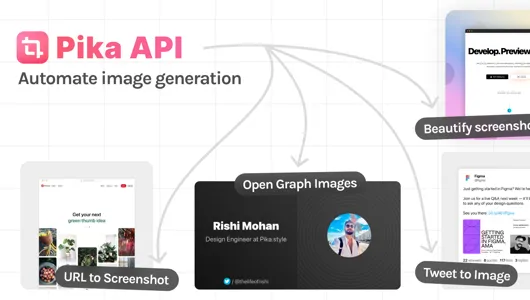
Pika helps brand screenshots, amplify messages, and engage audiences; used by startups and companies; saves time.
Apache Airflow is scalable, dynamic, extensible, and elegant, with pure Python features and a useful UI for workflow management.

A creative toolbox with shadow, SVG, gradient, and background pattern generators, perfect for builders.
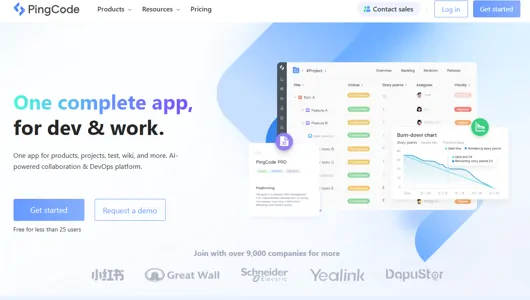
PingCode is an AI-powered DevOps platform for product, project, test, and wiki management, supporting various development models and enhancing R&D efficiency.
CMMI3 Frequently Asked Questions
What is CMMI3?
CMMI (Capability Maturity Model Integration) is a collection of best practices for process improvement that helps organizations enhance their performance. CMMI Level 3, the "Defined" level, signifies that an organization's processes are well-characterized and understood, and are described in standards, procedures, tools, and methods.
Why is CMMI3 important for software development?
Achieving CMMI Level 3 indicates that an organization has established a set of standardized, consistent software development processes. This helps improve product quality, predict project schedules and costs, reduce risks, and lay a solid foundation for continuous improvement. Clients can have greater confidence in the organization's ability to deliver high-quality software products on time and within budget.
What does it mean for a company to be CMMI3 certified?
Being CMMI3 certified means that the company's software development and management processes have undergone a rigorous, independent appraisal and have been confirmed to meet the standards of CMMI Level 3. This is not only a recognition of the company's process capability but also demonstrates its commitment to quality and engineering excellence to the market and customers.
What are the typical steps in the CMMI3 certification process?
The CMMI3 certification process generally includes current state assessment, process improvement, internal audit, formal appraisal, and continuous improvement. Organizations need to refine their processes and documentation according to CMMI requirements and pass an external appraisal to achieve certification.
What are the main differences between CMMI3 and CMMI5?
CMMI3 focuses on process standardization and organizational management, while CMMI5 emphasizes continuous optimization and innovation. CMMI5 requires organizations to not only have mature processes but also to continuously improve and drive the innovative application of industry best practices.